Events
A.N.I.M.A.: a Murder Mystery You Live, Not Watch
A.N.I.M.A. is the Social Hub's first event: an immersive murder mystery you live, not watch. A hundred strangers, ten cells, one mystery to solve together.
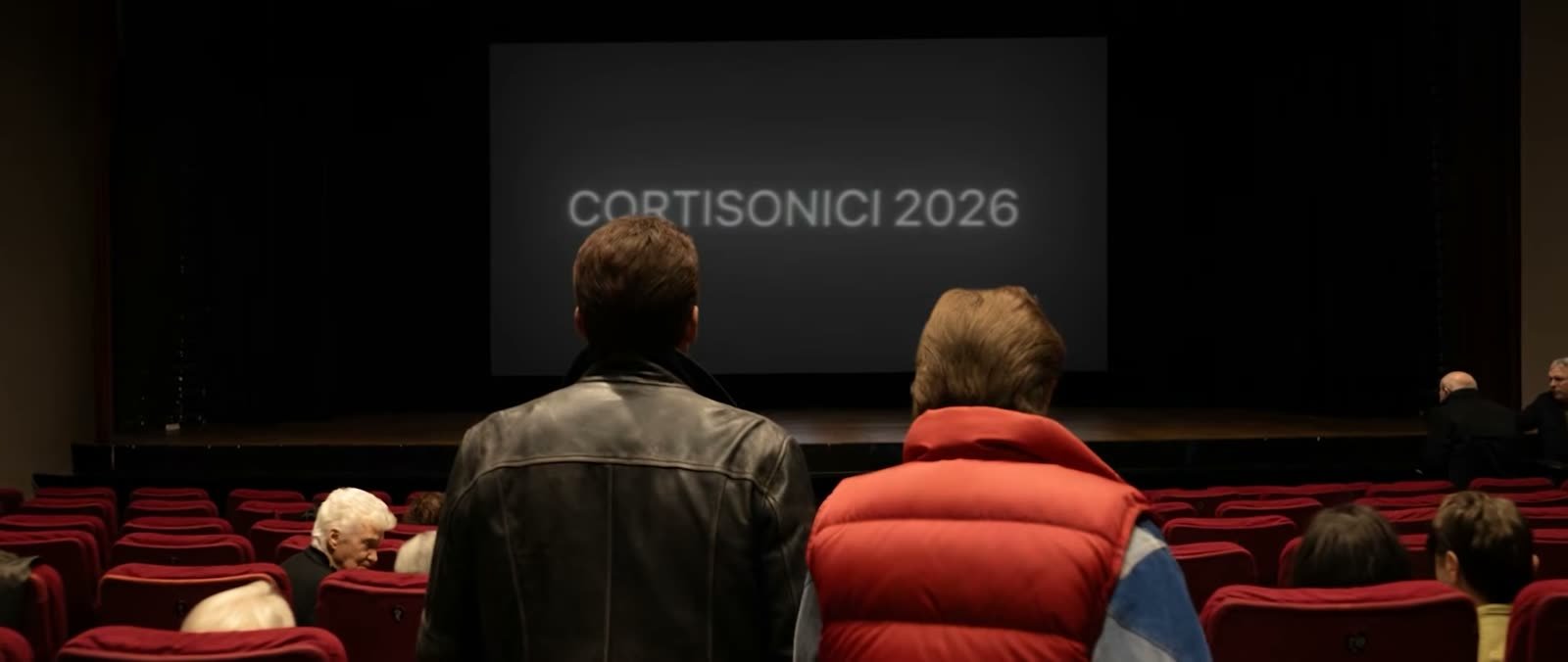
The Social Hub's first chapter is a murder mystery you step into: A.N.I.M.A. I wanted to start with an experience to live, far from a show you watch from your seat.
A hundred strangers, one mystery
The format is simple and unusual: a hundred participants a night, split into ten cells, with one mystery to solve together linked to Italy's first artificial intelligence. The participants are the protagonists. Each cell becomes a team, and the story only comes together if they cooperate.
You live it, you don't watch it
In an immersive mystery you're inside the story, with other strangers who become your team. You act, decide, get things wrong, work them out. It's theatre you move through.
Hospitality first
From the car park to the welcome, every step is designed so you feel expected. The experience starts long before the mystery, with how we greet you.
Every night is different
What you live, with your cell, is never identical to whoever came before. Decisions change the shape of the evening: that unpredictability is what keeps it alive.
Why a murder mystery
A mystery to solve together is the most natural way to bring people together. That's the Social Hub's idea in its first chapter: step into the scene and walk out with a story to tell and a few people you didn't know before.
A.N.I.M.A. is in production. Discover the first episode, Giallo alla ex-Whirlpool, or start with the Social Hub.