Production
How to make a video with artificial intelligence
Our first AI video was a mess: no tutorials, weeks of trial and error, and one rule we've kept ever since. Simple prompts, always.
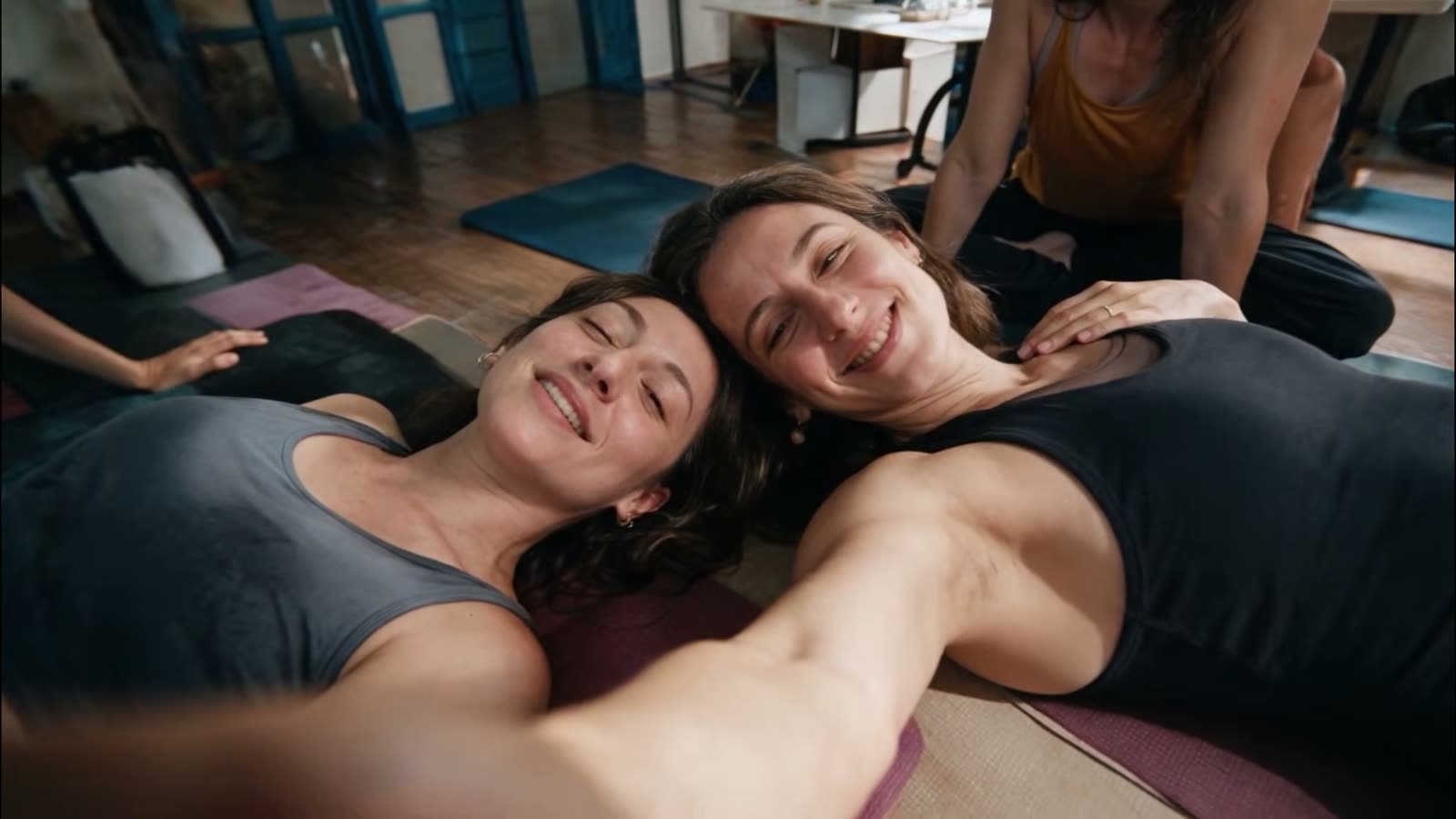
Our first AI video was a mess. There were no tutorials, and we experimented for weeks, failing a lot, just to get a scene a few seconds long. The method we use today was born there and hasn't changed much.
You always start from the script, never from the prompt
The work never starts with generating a clip or an image. It starts much earlier. The first step, for every video we make, is writing a script where we lay out the goal, why we're doing it, who the video is for. Before the what and the how, we think about the why and where we want to end up.
AI hasn't changed that. We always start from our own experience, from what we see and live every day, and then rework it with AI to give it a new form.
Why we don't believe in complicated prompts
We've never believed, and still don't, in 14-page Word document prompts. Ours are a few lines long: we just state the movement or the shot we're expecting. In our experience, the more complicated the prompt, the more likely the request gets misread or produces hallucinations.
It's not laziness: a simple instruction leaves the model less room to get confused, and gives us more control over what to keep and what to throw out. For a single product video, we generated more than 27,000 images.
What looks easy is usually the hardest
Something people rarely mention: you see the final result, never how many attempts it took. The scenes that look simplest, like a person walking, a liquid pouring or a move from one setting to another, are almost always the ones that take the most work.
In one of our early videos we tried to have a drone fly into a stream and end on a jug pouring water into a moka pot. I pushed hard for that idea. In time and cost it was a complete failure, and we kept it anyway because we liked the result.
Consistency is the real problem
With generative AI you can't get five or six consistent angles of the same scene at once. A product can change shape and size with every generation. A landscape struggles to stay identical if you just change the light, from sun to rain. It's the most concrete limit we work with every day, not some marginal technical detail.
When AI isn't enough, you go back to the classic tools
A generated image can look beautifully cinematic and still contain the wrong product, one that changes shape or loses its brand details. In those cases we do the last step by hand, in Photoshop. Knowing when to stop using AI and go back to traditional work is as much part of the craft as writing a good prompt.
You often start over from zero
Nine times out of ten a video reaches 70% and then starts again from zero, because a setting, a tone or a character stops convincing us. It always happens, and it's part of the work.
The tools change, the method doesn't
On a single project we used at least five or six different AI tools, for image generation, upscaling, video generation and editing. The tools we prefer change every few months. What we wrote above stays true whichever model comes out next year.
If you're considering a corporate video and want to know what to expect from the process, see how we work on corporate videos. If you want to learn the full method instead, with exercises on your own material, you'll find the complete course at