Creative direction
How to Shoot an Ad That Sticks
The concept of a commercial comes from the brief of whoever commissions it. The method to get there is always the same, and here we walk through it step by step.
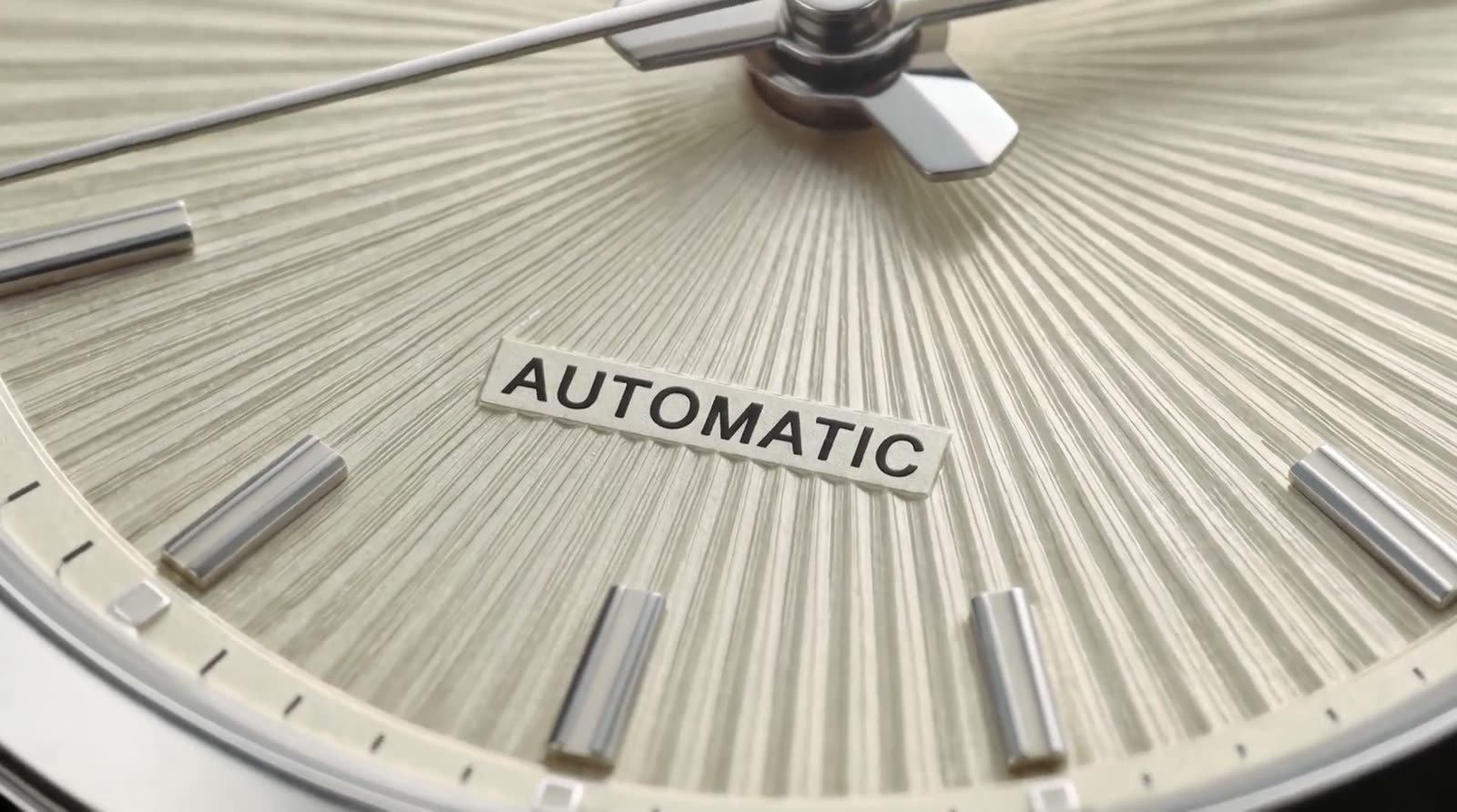
We almost always make a commercial for someone else: a company, a brand, sometimes an artist. The concept depends a lot on them and on what they ask for, so there is no recipe that works for everyone. What matters most, in our view, is the research, experience and sensitivity of whoever builds it. The concrete examples are on the Work page; here we describe the method.
Understanding who the company is
The first job is to understand what that company does best and what makes it recognisable. We look at the website and the social channels, and sometimes we visit the offices too, to understand their style, their soul, their identity. That is what has to come through in the commercial, with nothing invented and nothing fake.
Looking around, outside the sector too
Then we look at similar examples. Connections can come from other sectors and other markets, even far from what the company does.
The questions before writing
This is where a phase of reflection on the product or service begins. What problem does it solve? Who is it speaking to? Why should someone watch this commercial, and why should they care? I work a lot with emotions, so the most important question is what the viewer should feel.
It is a phase of writing and research. There is no magic wand and no right answer: there is a lot of experimenting, testing and trying. We look at a huge number of images to understand what they communicate. One position of the actors says one thing and another position says something else; the same goes for light and setting.
Putting the images in sequence
Once the style is found, we put it in sequence and generate the images that will become the clips of the video. One image does not always mean one clip: several clips can come from a single image, depending on the plot and the structure of the story. Lined up, the images give an idea of the effect the video will have and tell us whether the story holds.
Thinking as if we had the camera in our hands
Then come the clips and the animation, meaning everything to do with the camera. Even when the video is generated with AI, we imagine ourselves on set holding a camera. From what point of view do I want to shoot? What do I want to tell? Who is the main character? Right now, am I talking about them or moving the story forward? It is a lot of questions and a great deal of work.
Editing, or serving the dish
Editing is fundamental: the choice of sequences and clips, the effects, the music and above all the rhythm. We compare it to cooking. At this point we have all the ingredients and the dish is ready, but it still has to be plated and served. The right temperature, the plating, how much sauce to add: it makes all the difference in the world.
If you are preparing a commercial
- Gather what really tells the story of your company: the website, the social channels, photos of your spaces, the way you talk about it among yourselves.
- Try to write in one sentence what the viewer should feel.
- Before producing any clips, line up the reference images and see whether the story holds.
- Leave time for editing: that is where the video finds its rhythm.
If you are thinking about a commercial for your company, see how we work on commercials and corporate videos, or write to us.