Opinion
Two years of AI in video: everything has changed except creativity
From text to video to references with timestamps. And why the creative side matters as much as before, if not more.
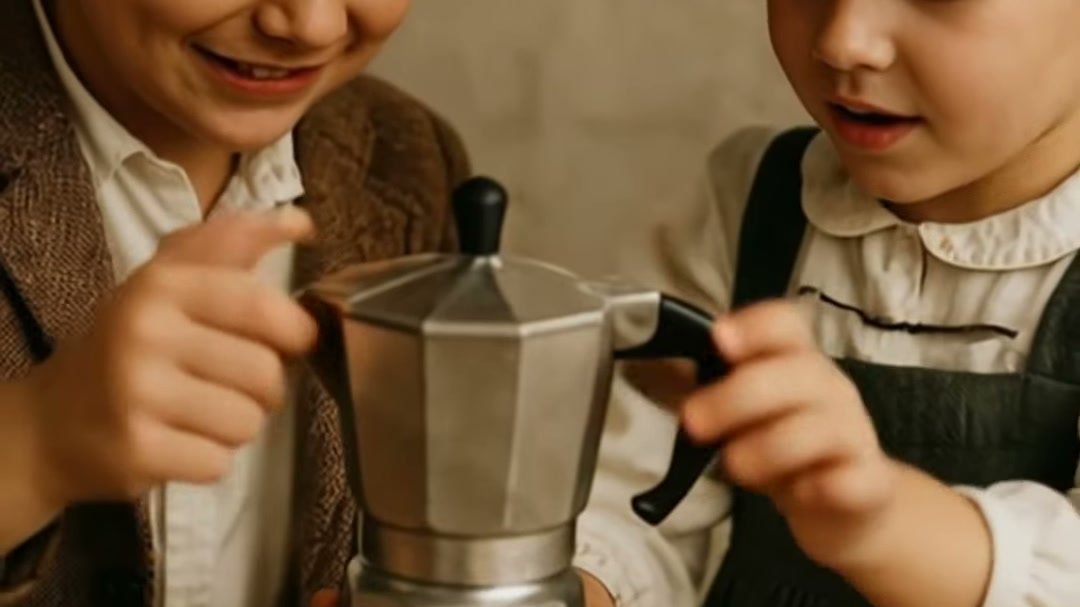
In two years everything has changed. The approach, the way prompts are written, but above all the structure of the work.
From text to references
At first the simplest tool was text-to-video: you wrote a description and hoped. Then came image-to-video, which let you start from a carefully built image. Then video-to-video.
Today we are at a level that seemed impossible two years ago. Some tools accept up to five reference videos and ten images in the same job. You can mark frames with timestamps, start from shot footage and replace characters, props and locations, and use 3D videos as references too. We made our first video, the Moka, when none of this existed.
What has not changed
What I always say, and will keep saying, is that in my view the way of thinking about creativity has not changed. People who use AI are accused of replicating, reworking, relying only on statistics. That is objectively true. But I do not think it was any different before.
Nobody creates anything from nothing. Artists have references, experiences, a culture that marks their work. Maybe I live a certain life that makes me fall in love with a painter, and my painting will be influenced by it.
With artificial intelligence the same thing happens, if it is used well: the result depends on the culture, experience and life of the person using it. And it has to follow a well-defined style. That is why the creative side stays central, in the brief, the images, the video, the composition. It matters as much as before, if not more. It is what we try to do in the creative direction of every project.